
Mental Architecture For Modern Chaos
Thinking tools to understand life, make decisions and solve problems
Perspective

Anyone who’s ever cared deeply about something knows that loving it doesn’t make it easy. We have a tendency to romanticise the outcomes we desire while underestimating the sacrifices required to sustain them.
Writers agonise over sentences nobody else will notice. Entrepreneurs lose sleep over problems they created for themselves. Parents willingly surrender their freedom, sleep and sanity to small humans who occasionally tell them they hate them.
And somehow, they wouldn’t have it any other way.

Imagine having a perfectly wonderful weekend and absolutely nothing interesting to say about it.
Someone asks what you did.
“Nothing much.”
And somehow, that feels like an inadequate answer.
As though a weekend without anything particularly interesting to report is a weekend that wasn’t particularly well spent.
Core Thinking Tools

Second-order thinking is the practice of going beyond immediate consequences to consider the long-term ripple effects of a decision. Where first-order thinking stops at “what’s the immediate result?”, second-order thinking goes further: “and then what?”
It’s the difference between quick wins and wise moves.
This model forces you to play out future scenarios - a critical habit in investing, policy-making, product design, and life.

Satisficing is a decision-making strategy where you opt for a solution that meets your needs - even if it’s not the absolute best. Instead of exhaustively analyzing every option in search of the optimal, you choose the first option that’s good enough.
Coined by economist and cognitive psychologist Herbert A. Simon in the 1950s, satisficing blends two ideas: satisfy and suffice. Simon argued that in real life, we rarely have perfect information or unlimited time. So, rather than trying to maximize every outcome, it’s often more rational to satisfice - to choose what works and move on.

Strategic Ignorance is the intentional act of not knowing - of choosing not to engage with information, opinions, or content that doesn’t meaningfully impact your goals, values, or peace of mind.
In a world where information is abundant but attention is scarce, strategic ignorance becomes a competitive advantage.

In simple terms, BATNA is your backup plan - the course of action you’ll take if the current negotiation fails. It’s not just about walking away; it’s about walking away to something better.
Knowing your BATNA gives you confidence, clarity, and leverage. Without it, you risk agreeing to unfavorable terms simply out of fear, pressure, or uncertainty. The stronger your BATNA, the stronger your negotiation position.

Abstraction Laddering is a mental model that helps you reframe problems by shifting between different levels of abstraction - zooming out to understand the big picture, and zooming in to identify actionable next steps. It helps ensure you’re solving the right problem, not just the most obvious one.

Rather than trying to outdo the top 1% in a single field, the Talent Stack approach is about creating a unique edge by stacking diverse, complementary abilities. In today’s fast-changing world, adaptability often beats specialization.
Introducing The Thinking Toolkit
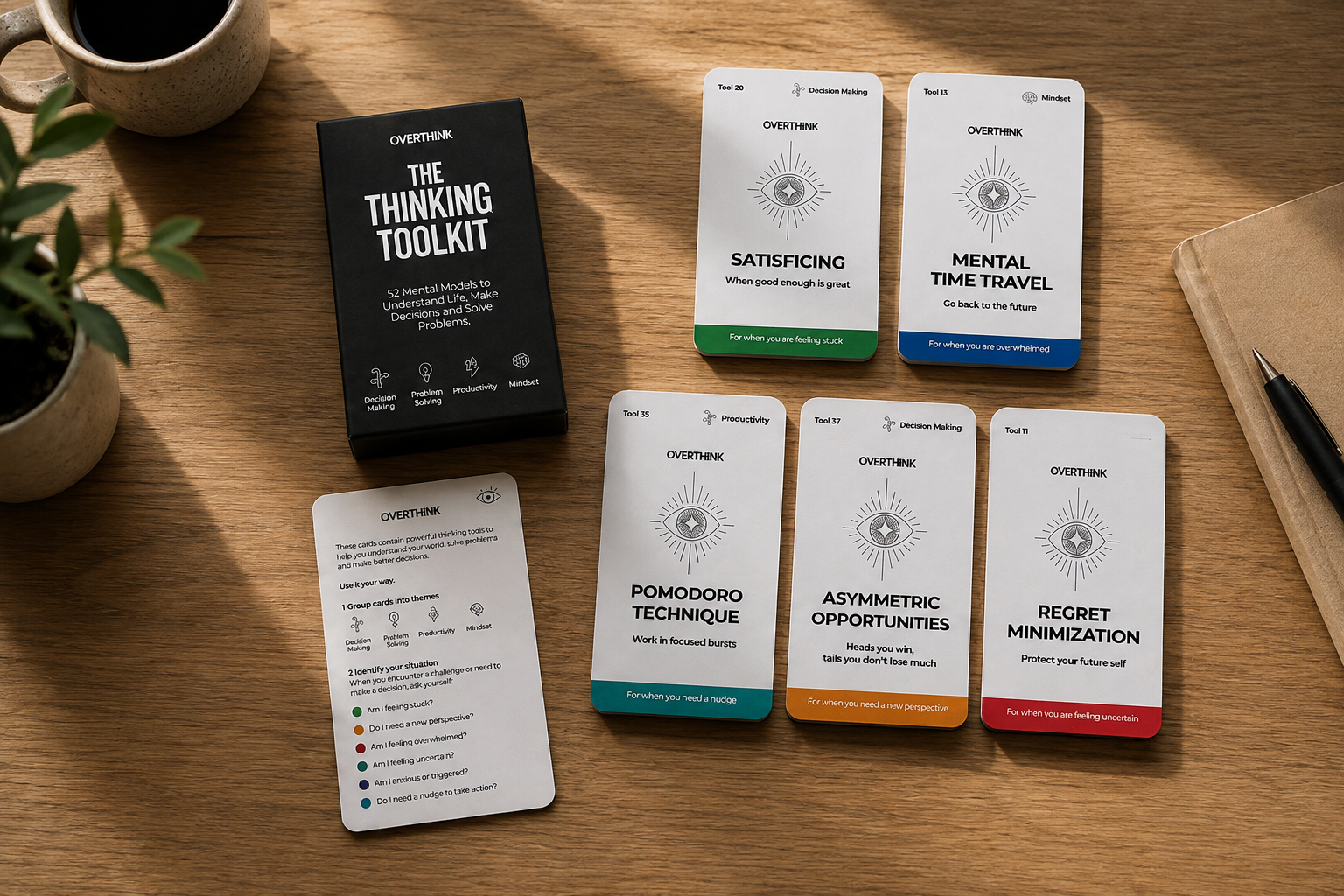
52 mental models to understand life, make decisions and solve problems.
This deck gives you 52 mental models used by top performers, founders, and thinkers to make better decisions, solve the right problems, and stay focused under pressure.
Make faster, better choices
Break through analysis paralysis
Turn knowledge into action
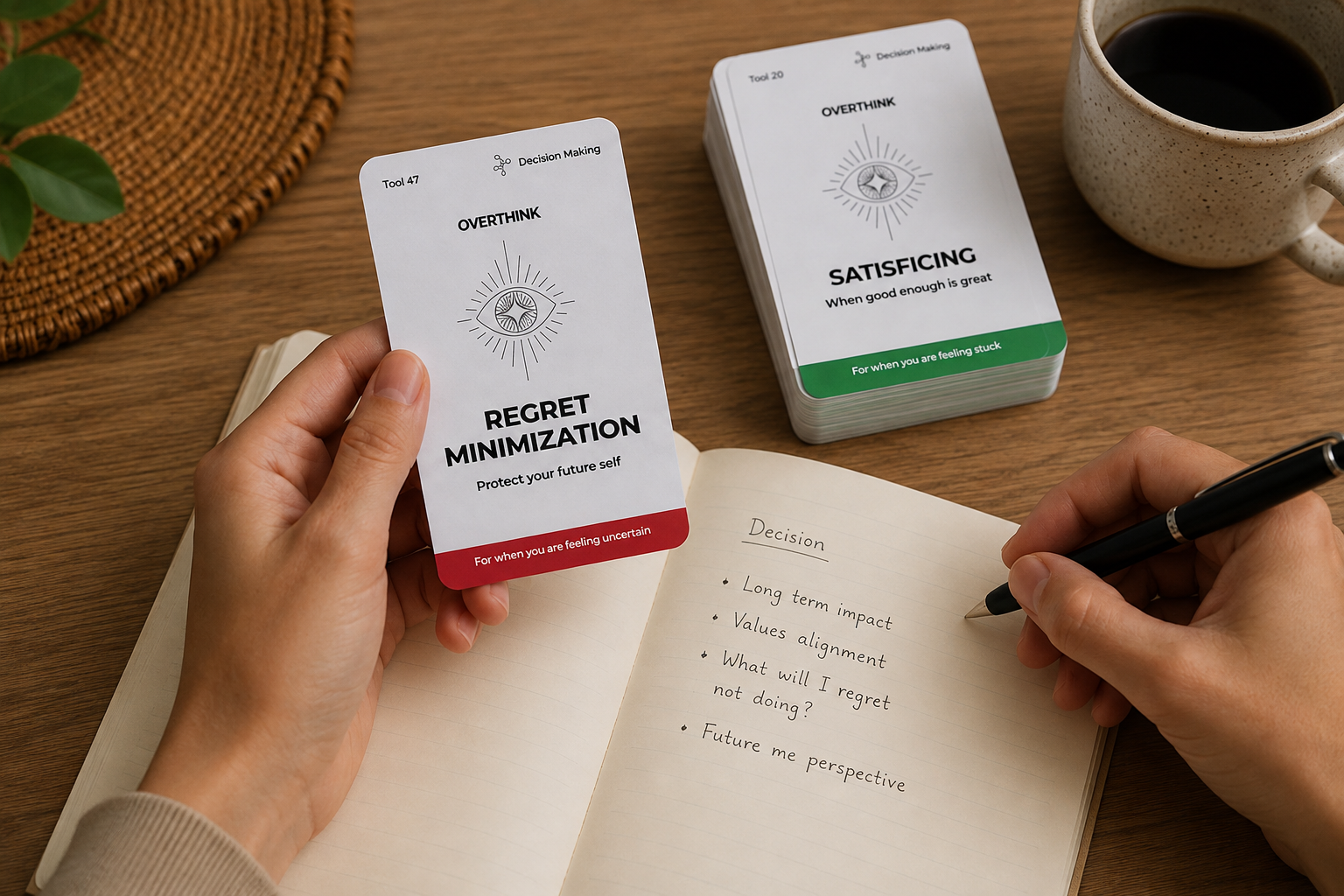
Use it as a daily ritual, problem-solving toolkit, or thinking reset when you need it most.
Seek Out The Interesting
Interesting perspectives, curious observations and things worth overthinking. Subscribe for the satisfaction of seeing things differently.